Mets News
Too Much Risk: What Steve Cohen's Front-Office Reset Means for the Mets
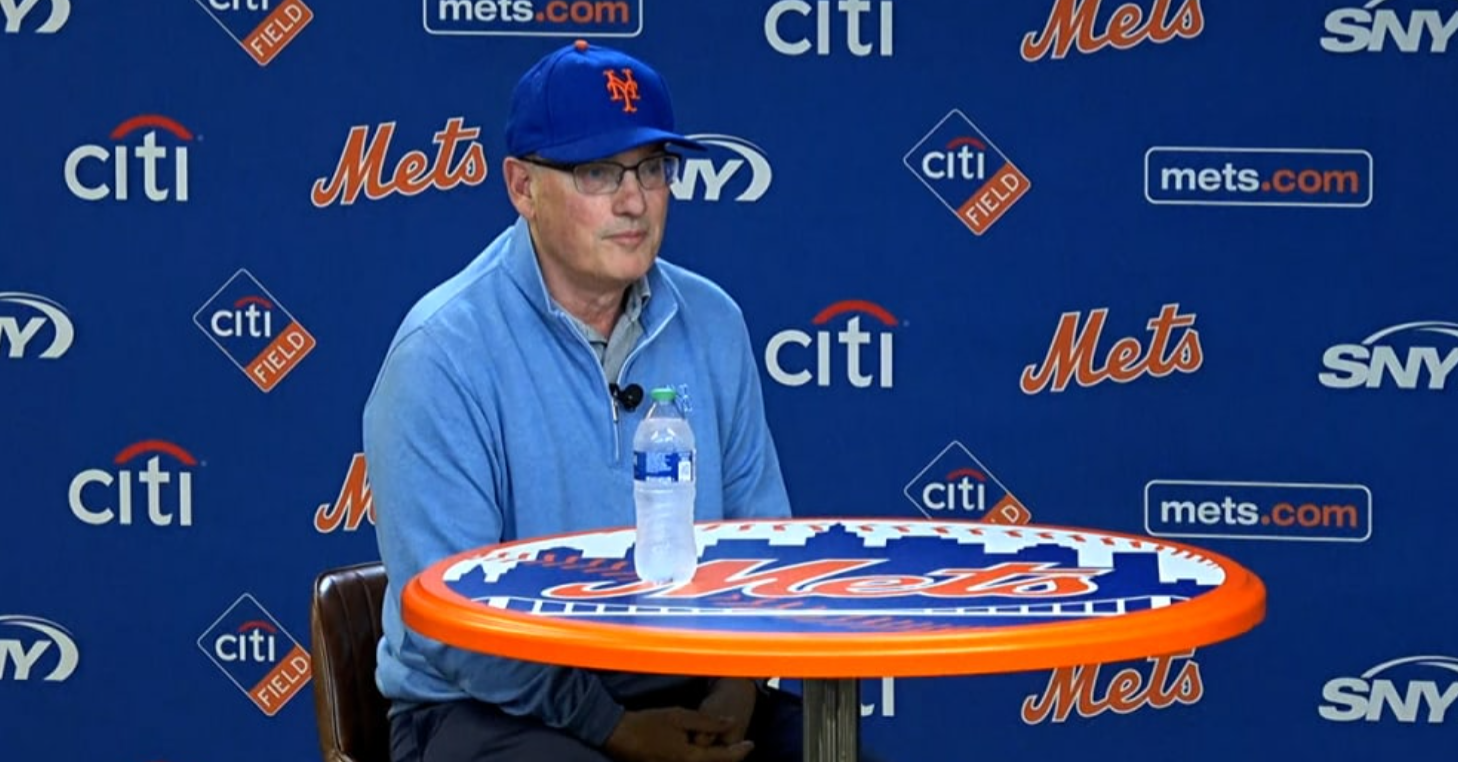
Steve Cohen admitted the Mets took "too much risk" last winter and plans to add new voices to the front office. Here's what it means for 2027.
Every fan base has a moment where the owner says out loud what everyone in the stands has been thinking. For Mets fans, that moment came when Steve Cohen admitted the front office took "too much risk" before the 2026 season. It is rare to hear a billionaire owner grade his own baseball operation in public. It is even rarer to hear him be this specific about it.
Let's start with what Cohen actually said. In August, he reaffirmed his commitment to David Stearns, but he did not hide the mistakes. His point was not that any single move was crazy. It was that the moves piled up. Individually, each one had a logic. Together, they stacked the deck against the team. Risk does not guarantee a bad result, he explained, but it makes one much more likely. After a season that ended with the Mets out of the playoffs for the second straight year, that reads like a diagnosis.
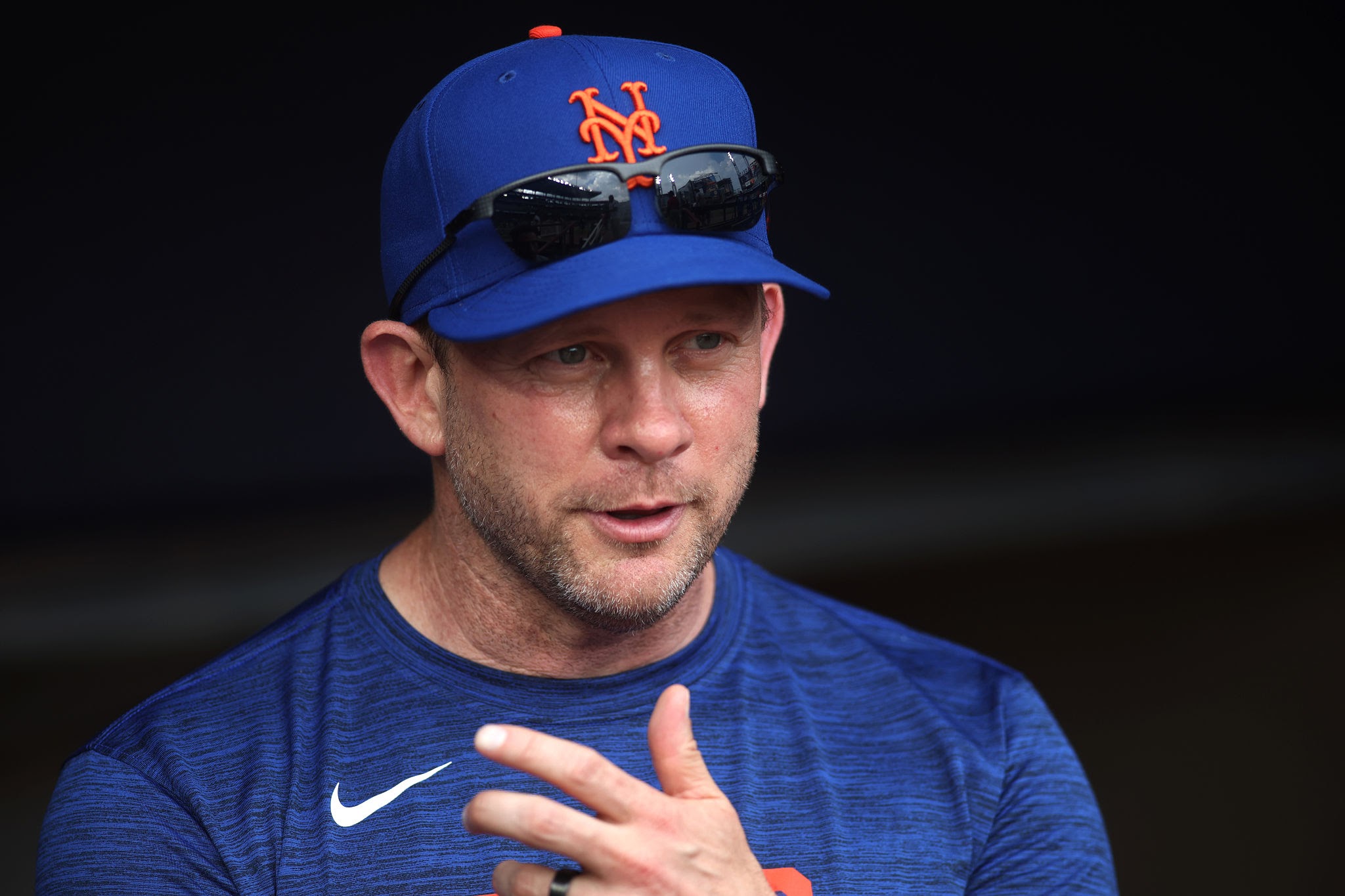
And the pile was big. The Mets reshaped the coaching staff around manager Carlos Mendoza. They sent Brandon Nimmo to Texas for Marcus Semien. They let Pete Alonso walk to Baltimore. They also brought in players with injury histories, including Semien, Jorge Polanco and Devin Williams, and several of those bets did not pay off the way the front office hoped. Any one of those decisions is defensible. All of them in one winter? That is a lot of coin flips, and the Mets did not win enough of them.
What I find encouraging is the second half of the story. In September, Cohen said on SNY that he plans to add "certain voices" to the front office. He said Stearns is on board. He also said the new person does not have to be a general manager, and that the idea is to bring in experienced evaluators who have sat in high-level chairs before. Call it a second set of eyes, or a pressure valve, or a built-in devil's advocate. Whatever the title ends up being, the purpose is clear: make sure no one person's conviction can carry the whole winter unchallenged.
Is that the right call? I think it is, and here is why. The Mets are not short on resources, and Cohen's checkbook has never been the issue. The issue is the quality of the process behind the spending. Smart organizations build disagreement into their decision-making. When a big trade or a big free-agent signing has to survive a skeptical veteran voice in the room, the weakest ideas tend to die early. That is not a knock on Stearns. It is how good front offices protect themselves from their own confidence.
There is also a bright side that Cohen himself pointed to. Rookies Carson Benge and A.J. Ewing gave a struggling team real energy, and the young core gives the Mets something they did not have a year ago: players who are on the rise instead of players who are being managed. If the front office adds a steady hand and builds the roster with a little less gambling and a little more balance, the foundation is there to make 2027 a very different story.
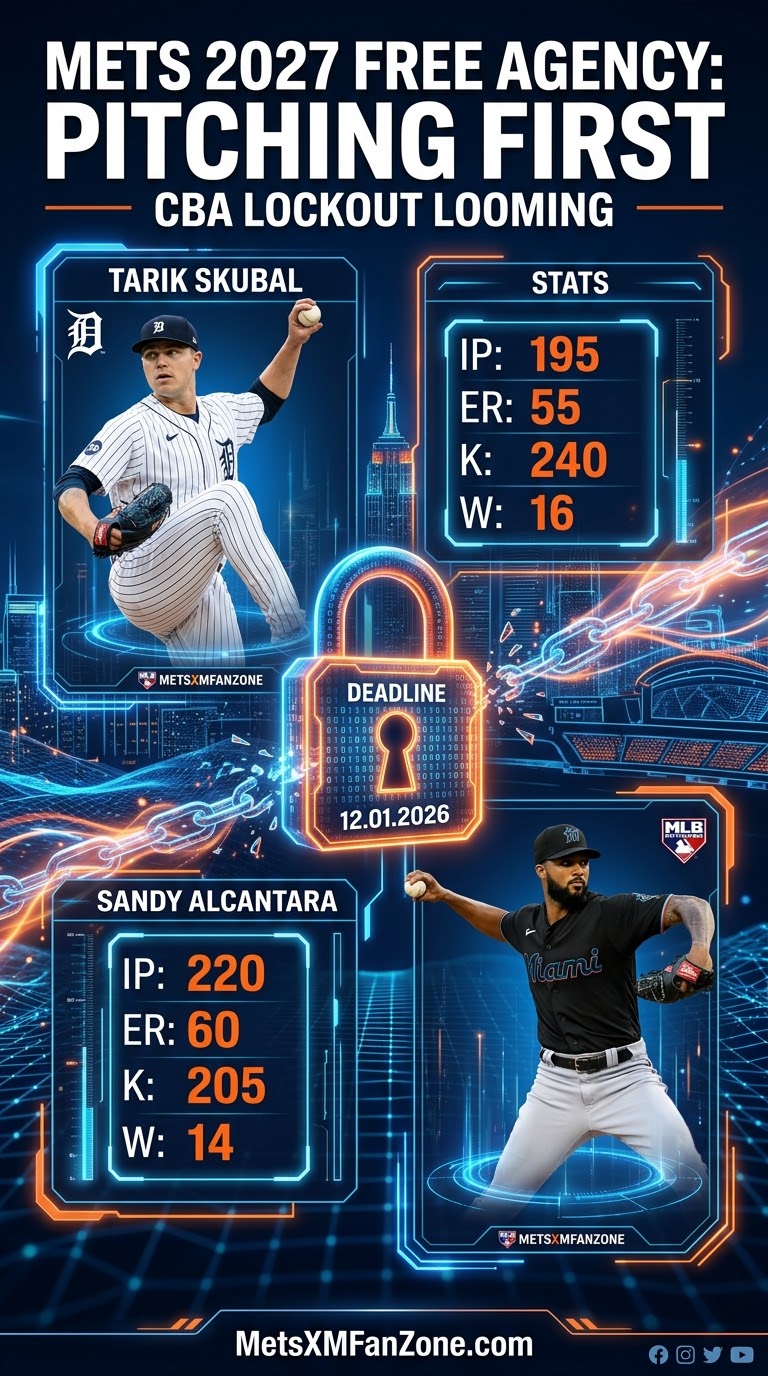
Now comes the part where fans have to be patient and a little skeptical at the same time. Words are easy in October. The proof comes in the winter, when the Mets decide who to sign, who to trade, and how many injury question marks they are willing to carry into spring training. Pitching is the obvious priority, and the lockout cloud hanging over the sport only makes smart planning more important. If the next batch of moves leans on durable, proven players and fewer "if he stays healthy" projects, we will know the lesson was learned.
For now, give Cohen credit. Owning a mistake in public is uncomfortable, and he did it more than once. The next step is to turn that honesty into a smarter, deeper front office. If the new voices show up and the Mets keep the risk in check, the pain of 2026 might end up being the best thing that happened to this franchise. Let's see what the winter brings, Mets fans. Lets Go Mets!