Mets News, MetsXMFanZone News
Kodai Senga's 2027 Dilemma: Rotation Arm or Bullpen Weapon?
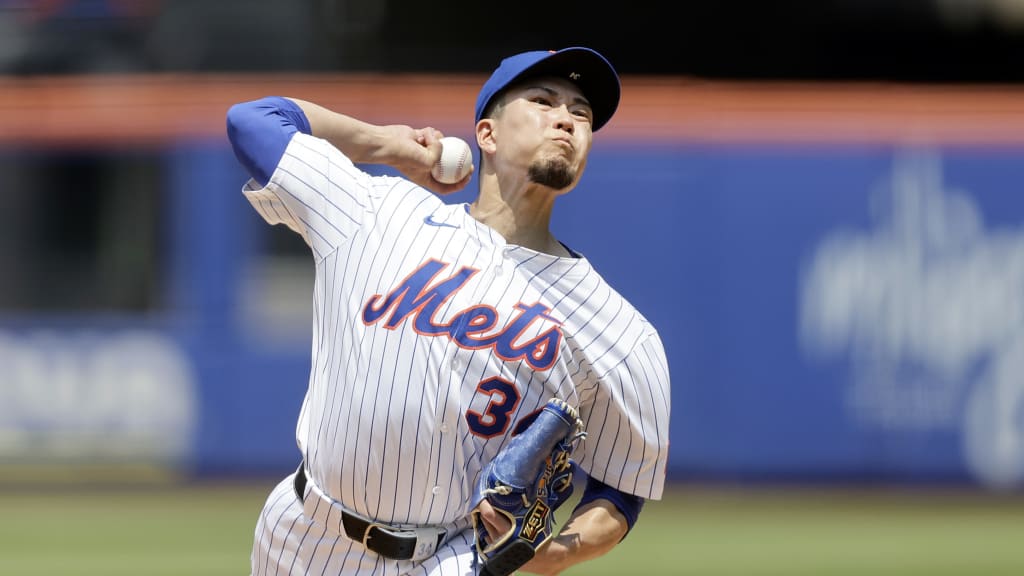
Kodai Senga struggled badly as a starter in 2026 but found a groove in the bullpen. Should the Mets keep him in the rotation or let him close in 2027?
Few Mets storylines are as strange, or as unresolved, as Kodai Senga heading into 2027. The Ghost Fork guy who once looked like a true front-line starter just finished a season that was brutal in the rotation, then surprisingly useful at the back of the bullpen. Now the Mets have to decide what he actually is.
Let's start with the ugly part, because there is no dressing it up. Senga began 2026 as a starter and the results simply were not there. Walks piled up, home runs followed, and his ERA ballooned past ten before the Mets finally pulled the plug on the rotation experiment in late June. By the end of the year he was winless with an ERA above seven, among the worst marks in baseball for pitchers with a real innings load. For a player the club is paying $15 million in 2027, the final year of his five-year deal, that is a hard thing to look at.
But here is where it gets interesting. Once Senga moved to the bullpen, the version of him fans remembered started to flicker back on. The fastball played up in shorter outings, and when Devin Williams went down with an injury, Senga got the ninth inning. He picked up the first save of his career in August against Atlanta and converted most of his chances after that. It was not clean, since a couple of rough late-game blowups still stung, but the stuff looked more explosive in short bursts.
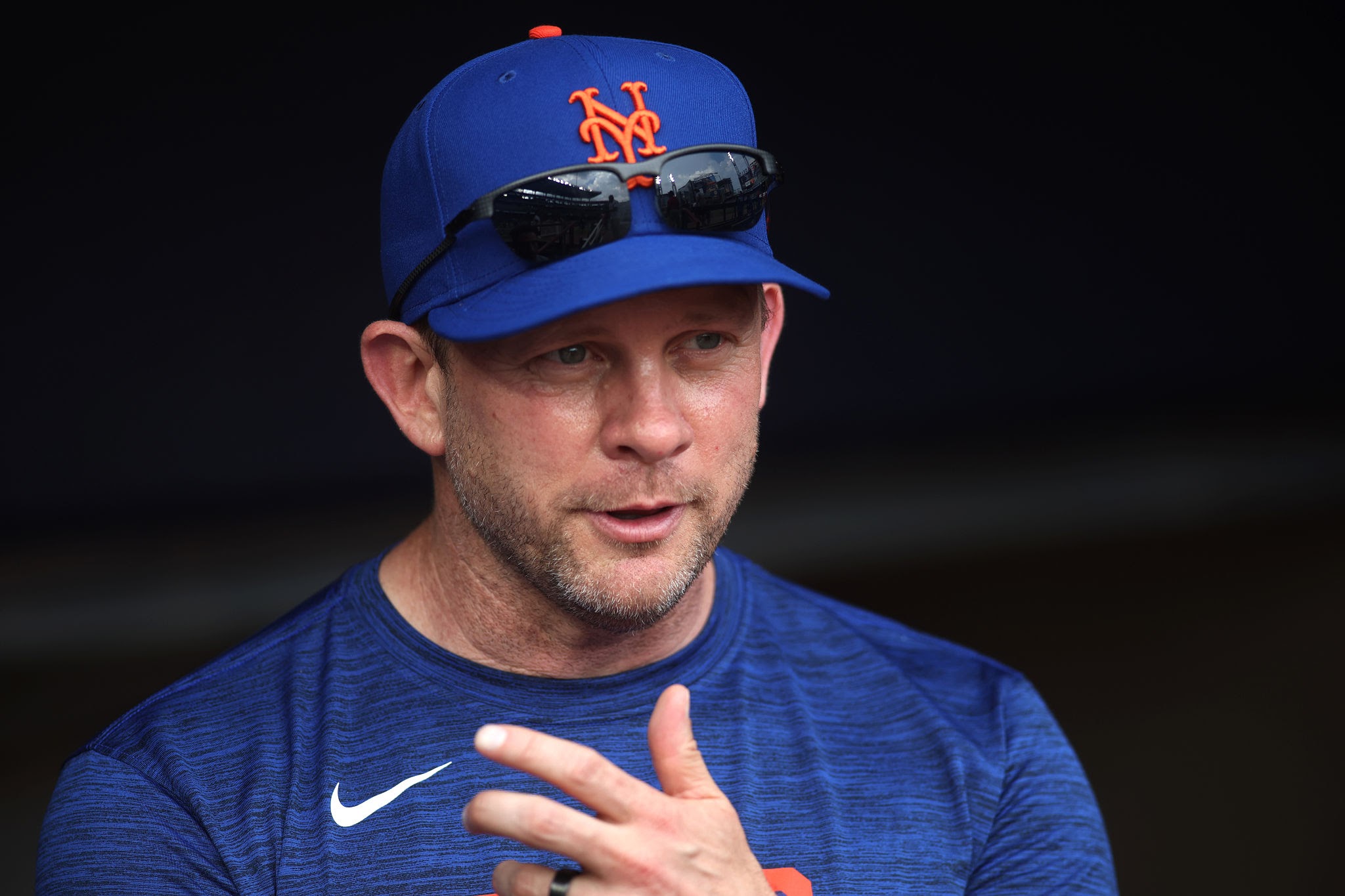
That leaves the Mets with a genuine fork in the road, pun fully intended. Senga himself wants to start. You can respect that, because the competitor in him clearly believes the first half of 2026 was an aberration. Manager Andy Green, heading into his first full season in charge, has been candid that the role cannot be answered yet. The plan is to see how the winter shakes out and, importantly, whether the club adds starting pitching.
That last piece is the key. If the Mets go out and land one or two quality arms in free agency or by trade, Senga does not have to be the answer in the rotation. He becomes a bonus rather than a burden. In that world, a bullpen role with premium velocity and swing-and-miss stuff makes a lot of sense, especially if the late-inning mix is still unsettled. If the Mets strike out on starters, though, they may have no choice but to give him another look in the rotation and hope that health and command line up.
There is one more wrinkle worth knowing. His contract includes a 2028 club option that only kicks in if he suffers a serious right elbow injury and misses a long stretch. Nobody wants that path, but it does mean the Mets are not locked into anything beyond 2027 unless things go wrong. Financially, this is a one-year question, and that makes the decision cleaner than it might look.
So what would I do? I would not hand him a rotation spot in February. Make him earn it in spring training, build the staff around other arms first, and let Senga's command do the talking. If the walks are still a problem, the bullpen is a perfectly good home, and a power arm who can protect a lead is worth real value over 162 games. If he shows the old rhythm and the splitter is dropping off the table again, then you have a pleasant dilemma on your hands.
The bigger lesson is that the Mets cannot build 2027 around hope. Senga is a wild card, and the best offseason plans treat wild cards as upside, not foundation. Add real depth, give Green flexibility, and let the Ghost Fork surprise everyone, rather than counting on it to.
What do you think, Mets fans: starter or closer for Senga in 2027? Let us know in the comments and keep it locked here at MetsXMFanZone all winter.