Sports Talk
Why the Mets Organization is toxic in 2026
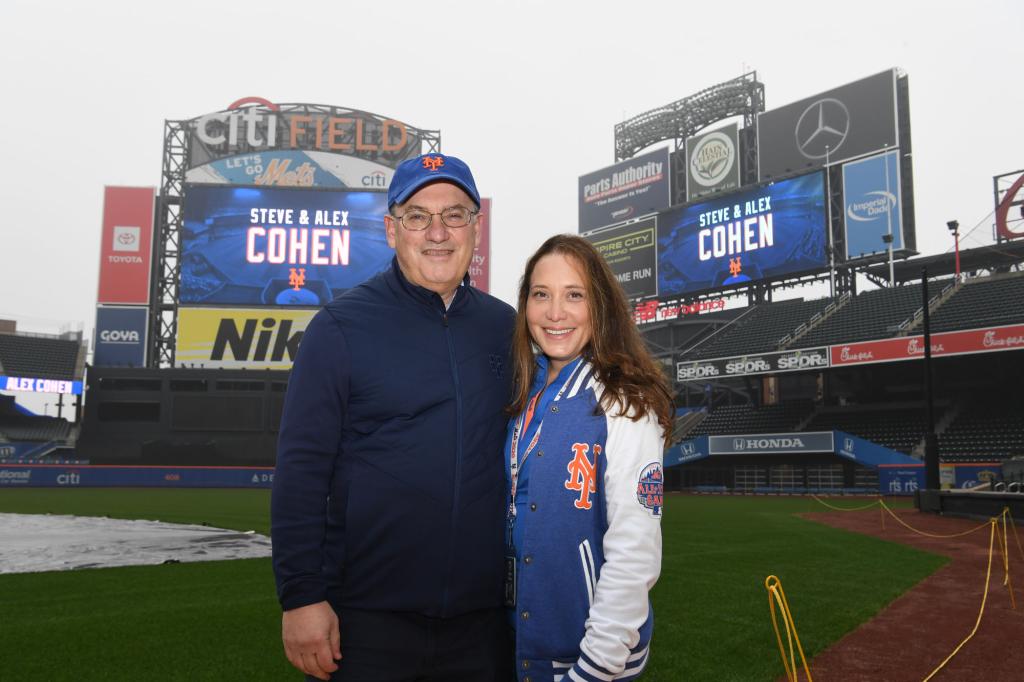
The gleaming facade of Citi Field still stands, a monument to a franchise perpetually chasing glory. Yet, for many Mets faithful, a familiar and unsettling chill runs down their spine. Despite the hopes and promises of recent years, the nagging feeling that foundational toxicity persists within the organization remains a very real and disheartening possibility. While Steve Cohen's billions have reshaped the roster, the deeper, more insidious issues that have historically plagued this storied franchise may prove far more resilient than any signing or trade.
The Elephant in the Room: Persistent Front Office Instability
One of the most significant contributors to organizational toxicity is a swirling vortex of front office instability. While the initial wave of new leadership under Cohen offered a glimmer of hope, a revolving door of executives, presidents of baseball operations, and general managers can easily breed uncertainty and a lack of coherent long-term strategy. If, by 2026, the Mets are still cycling through key decision-makers, it creates a cascade effect that impacts everything from player development philosophy to trade deadlines. Are we seeing consistent vision or a series of desperate pivots? A stable, unified front office is the bedrock of any successful organization, and a continued lack thereof can sow seeds of doubt and distrust throughout the entire infrastructure.
The Unforgiving Culture: A Legacy of Blame and Underperformance
Beyond the front office, a deeply ingrained culture can be incredibly challenging to dismantle. For generations, the Mets have been perceived – often rightly so – as an organization burdened by unrealistic expectations, a penchant for public finger-pointing, and a general air of underperformance relative to their market and potential. If in 2026, we’re still witnessing players struggling to thrive under the intense New York spotlight, or hearing whispers of internal strife and a reluctance to fully embrace accountability, then the toxic culture endures. This isn't just about winning or losing; it's about the environment in which players and staff operate. A truly healthy organization fosters growth, resilience, and a unified purpose. If the Mets haven't cultivated that by 2026, then all the talent in the world won't be enough to overcome the internal rot.
Player Development: The Perennial Kryptonite
Perhaps the most critical aspect of long-term sustainable success for any baseball franchise is robust and consistently productive player development. The Mets, historically, have had a checkered history in this department. While there have been high-level draft picks and international signings, the overall pipeline has often failed to produce a consistent stream of major league talent. If, by 2026, the farm system is still struggling to churn out impact players, and the major league club continues to rely almost exclusively on high-priced free agents, it's a flashing red light. This indicates a systemic failure – a lack of proper coaching, scouting, or a coherent development philosophy. When a team consistently has to buy its way to competitiveness without bolstering its internal talent pool, it's a precarious and ultimately unsustainable strategy that speaks volumes about underlying organizational issues.
### The Fan-Team Dynamic: A Cycle of Frustration
Finally, the dynamic between the team and its passionate, yet often exasperated, fanbase plays a crucial role in shaping organizational perception and internal pressure. A deeply rooted "woe is me" mentality among the fanbase, fueled by decades of heartbreak, can inadvertently create even more pressure and a harsher spotlight for players and management. If, by 2026, the narrative around the Mets is still dominated by "here we go again" moments, self-inflicted wounds, and a sense of impending doom, it reflects a deeply ingrained dysfunctional relationship. A healthy fan-team dynamic is built on trust, transparency, and a shared vision of success. If the Mets haven't managed to fundamentally shift that narrative by then, the collective sigh of resignation will continue to hang heavy over Flushing.
Conclusion: A Legacy to Overcome
While 2026 offers a glimpse into a future where the Mets could potentially be a perennial contender, the ghosts of organizational toxicity are not easily exorcised. It will take more than just money and a few good seasons to fundamentally alter decades of ingrained issues. True change requires deeply embedded stability, a nurturing culture, a thriving player development system, and a renewed, hopeful relationship with its fanbase. If these foundational elements are still lacking come 2026, then even with the best intentions, the "toxic" label, unfortunately, might still be an all too accurate, and profoundly disappointing, description of the New York Mets organization. It's a bitter pill to swallow, but one Mets fans have become all too familiar with.