Trade
Mets Aquire Freddy Paralta traded for Brandon sproat and Jett Williams
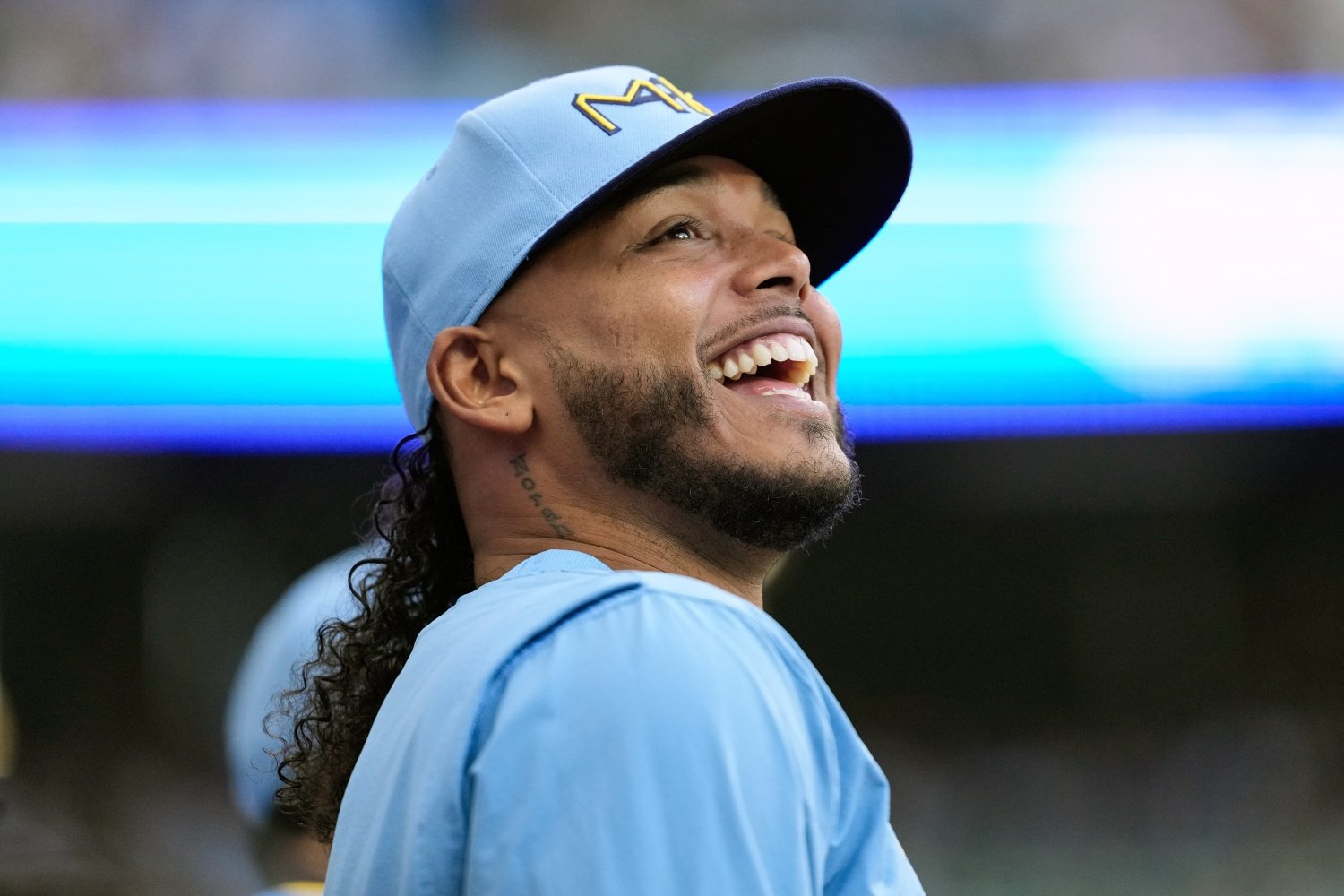
Stearns goes all-in! The Mets land ace Freddy Peralta, but the cost is massive. Is trading Sproat and Williams the right move for a World Series run?
The silence of the winter meetings was shattered by a lightning bolt that will redefine the David Stearns era in Queens. It is the kind of trade that makes a fan base hold its breath and its collective stomach at the same time. By sending top-tier prospects Jett Williams and Brandon Sproat to the Milwaukee Brewers in exchange for right-hander Freddy Peralta, the New York Mets have officially exited the era of cautious rebuilding and entered the high-stakes world of championship urgency. This is not just a player transaction; it is a philosophical pivot that signals the front office believes the window for a World Series title is propped wide open right now.
For years, the Mets have been protective of their farm system, preaching the gospel of sustainability. But sustainable winning often requires a catalyst, and Peralta is exactly the type of strikeout artist who turns a good rotation into a terrifying one. At 29 years old, Peralta represents the sweet spot of veteran experience and remaining prime years. His ability to miss bats is elite, characterized by a deceptive delivery and a high-spin fastball that seems to rise as it crosses the plate. In a division where the Braves and Phillies continue to reload, Stearns decided that waiting for the future was a luxury the Mets could no longer afford. He leveraged his intimate knowledge of the Brewers system to pluck the crown jewel of their rotation, but the price of admission was staggering.
The departure of Brandon Sproat is perhaps the most painful needle for the Flushing faithful to swallow. In just a short time, Sproat became the symbol of the new Mets pitching lab success story, showcasing triple-digit heat and a bulldog mentality that saw him rocket through the minor league ranks. Giving up a potential homegrown ace is a gamble of the highest order. When you couple that with Jett Williams, a dynamic, high-OBP spark plug who was projected to be the team’s long-term answer at second base or center field, you see the magnitude of the risk. The Brewers are betting on the ceiling of these two youngsters to fuel their next decade, while the Mets are betting that a proven, frontline starter is the final piece of a championship puzzle.
This trade challenges the conventional wisdom that teams should never trade two top-five prospects for a non-rental pitcher. However, looking at the Mets' current roster, the logic begins to solidify. Francisco Lindor is in the peak of his career, and the bullpen has been fortified to protect leads. What was missing was a legitimate second ace to pair with the top of the rotation—someone who could dominate a Game 2 in October. Peralta carries that pedigree. His career strikeout rate hovering around 11 per nine innings is the kind of metric that translates to postseason success, where the ability to bypass contact is the difference between a celebratory parade and a quiet flight home.
Ultimately, this move will be the defining litmus test for David Stearns. If Peralta leads the Mets to a deep playoff run and stabilizes the rotation for the next three seasons, the loss of Sproat and Williams will be viewed as the necessary cost of doing business in New York. If the youngsters blossom into superstars in Wisconsin while Peralta struggles with the bright lights of Citi Field, it will be remembered as the moment the Mets mortgaged their future for a mirage. It is a breathtakingly bold maneuver that reminds us all that in the game of baseball, there is no such thing as a safe bet, only the courage to push the chips into the middle of the table. The Mets have stopped waiting for tomorrow, and for better or worse, the Peralta era has begun.