Talk
Lindor is the Issue of the Mets
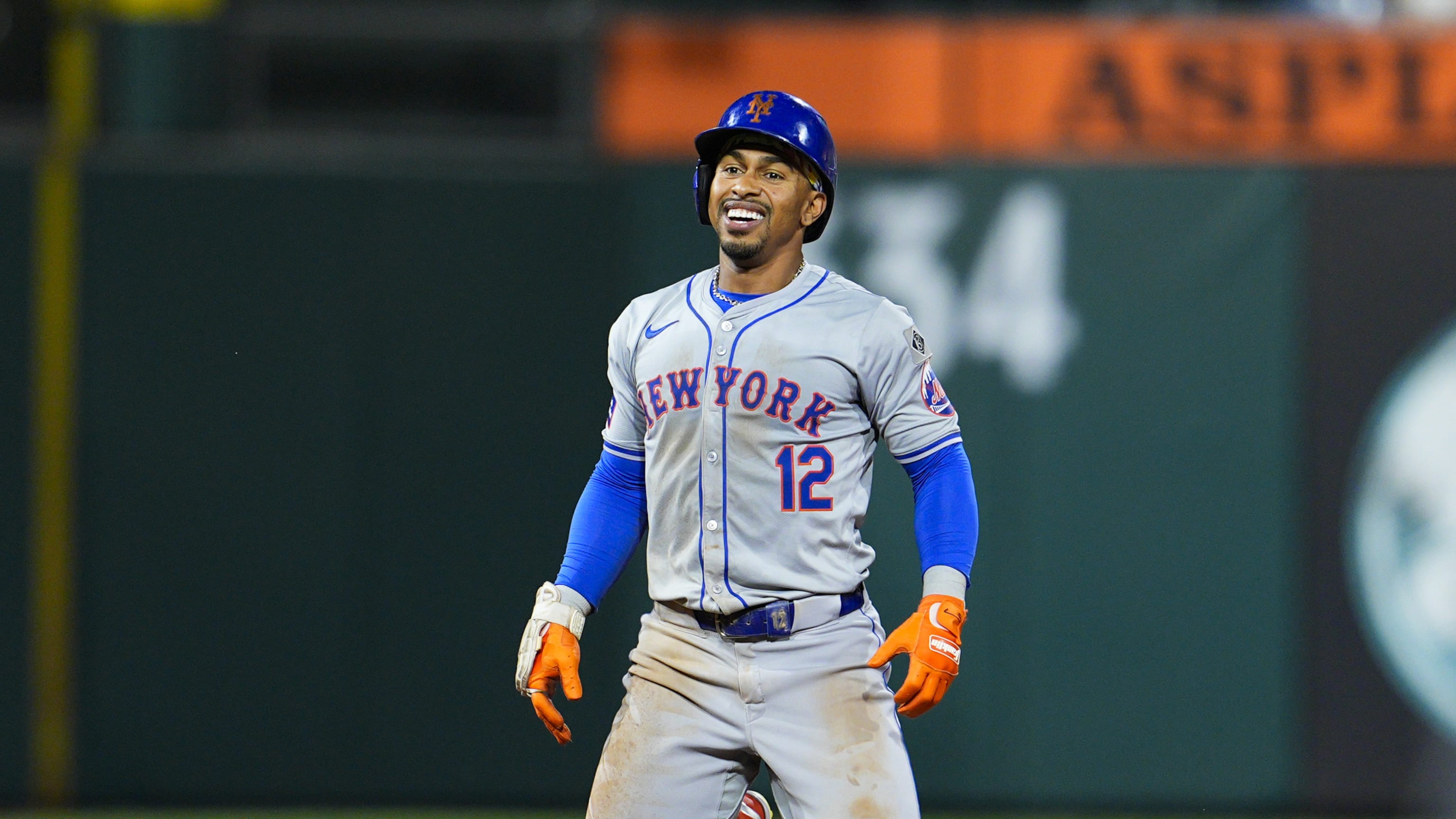
Is Francisco Lindor the Mets' Biggest Problem? Let's Talk About It.
It’s been a turbulent few years for the New York Mets, a team perpetually teetering between glimmers of hope and the familiar sting of disappointment. As fans, we pore over every player's performance, every managerial decision, and every front office move, searching for answers. In this constant quest for understanding, one name frequently pops up in discussions about the Mets' struggles: Francisco Lindor. The superstar shortstop, signed to a massive 10-year, $341 million contract, is undeniably the face of the franchise alongside Pete Alonso. But has that hefty price tag, and the expectations that come with it, made Lindor a scapegoat, or is he genuinely the *issue* holding the Mets back? Let's dive in.
The Weight of Expectation and the Unfair Comparison
When Francisco Lindor arrived in Queens, he wasn't just a highly-touted shortstop; he was a beacon of hope. A four-time All-Star, Gold Glove winner, and Silver Slugger, he was expected to be the catalyst for a new era of Mets baseball. The contract, at the time, was a statement from owner Steve Cohen – a declaration of intent to compete. With that kind of money and pedigree, come astronomical expectations. Every slump is magnified, every error scrutinized, and every missed clutch hit feels like a dagger.
It's tempting to compare his Mets tenure to his Cleveland days, where he was consistently an MVP candidate. While his offensive numbers in New York haven't always matched those career highs, especially in his first year, it's crucial to look beyond the surface. Baseball is a game of context. Moving to a new league, a new city, and playing under the relentless spotlight of New York media can be a significant adjustment for anyone, even a player of Lindor's caliber.
The Numbers Game: A Deeper Look
Let's address the elephant in the room: Lindor's offensive output. There have been stretches, particularly in 2021, where his bat simply wasn't what the Mets paid for. However, in 2022 and 2023, Lindor undeniably rediscovered his offensive prowess, putting up numbers that were among the best for shortstops in baseball. He consistently hit for power (25+ HR), drove in runs (75+ RBI), and maintained a respectable OBP, all while playing elite defense. His WAR (Wins Above Replacement) has consistently placed him among the league's top players.
So, if his individual numbers have largely rebounded, why does the "Lindor is the issue" narrative persist? Perhaps it's less about his *individual* performance and more about the team's *collective* underachievement. When a team underperforms despite having a high-paid superstar, that superstar often becomes the lightning rod for criticism, regardless of their personal contributions. It creates a perception gap: if he's *that* good and paid *that* much, why aren't the Mets winning more?
Beyond the Bat: Leadership and Defense
One area where Lindor consistently shines is his defense. His range, arm strength, and baseball IQ are second to none at shortstop. He's a highlight reel waiting to happen, making plays that few others can. His presence up the middle significantly elevates the entire infield defense. Defense, while often overlooked in fan discourse, is a critical component of winning baseball, and Lindor provides it in spades.
Furthermore, Lindor is widely considered a leader in the clubhouse. He’s vocal, passionate, and often the first to take accountability. While leadership isn't always quantifiable, it's an invaluable asset for any team. He plays with an infectious joy and commitment that can spread throughout the roster. Attributing the team's struggles solely to a player who consistently brings elite defense and strong leadership, even when his bat isn't hitting homeruns every night, feels incomplete.
The Real Issues Run Deeper
To suggest Lindor is "the issue" is to oversimplify a complex problem. The Mets' struggles are multi-faceted and extend far beyond any single player, even one as prominent as Lindor. We've seen inconsistent pitching, often-anemic offensive support for pitchers, questionable bullpen depth, and a team that has at times struggled with fundamental baseball. The organizational philosophy, player development, and roster construction all play a more significant role in the team's overall performance.
Lindor is a foundational piece, a superstar around whom a championship team *can* be built. Blaming him for the Mets' woes deflects from the systemic problems that have plagued this franchise for years, even before his arrival. Is he perfect? No player is. Are there moments you wish he'd come through more often? Absolutely. But a deeper analysis reveals a player who, for the most part, has performed admirably, often carrying a significant mental and statistical load for the team.
Conclusion: A Star, Not a Scapegoat
Francisco Lindor isn't the problem for the New York Mets; he's part of the solution, or at least he *should* be. He’s a high-performing, passionate, and integral component of the team. While the immense contract brings undeniable pressure, and his performance will always be held to an incredibly high standard, it's unfair and inaccurate to pin the Mets' perennial struggles solely on his shoulders. The answers to the Mets’ woes lie in addressing broader team deficiencies, building a more consistent supporting cast, and ensuring that the entire organization is pulling in the same direction. When the Mets finally find sustained success, Lindor will undoubtedly be right in the middle of it, just as we all envisioned.