General
FRANCISCO LINDOR | LEADERSHIP THROUGH THE ERRORS
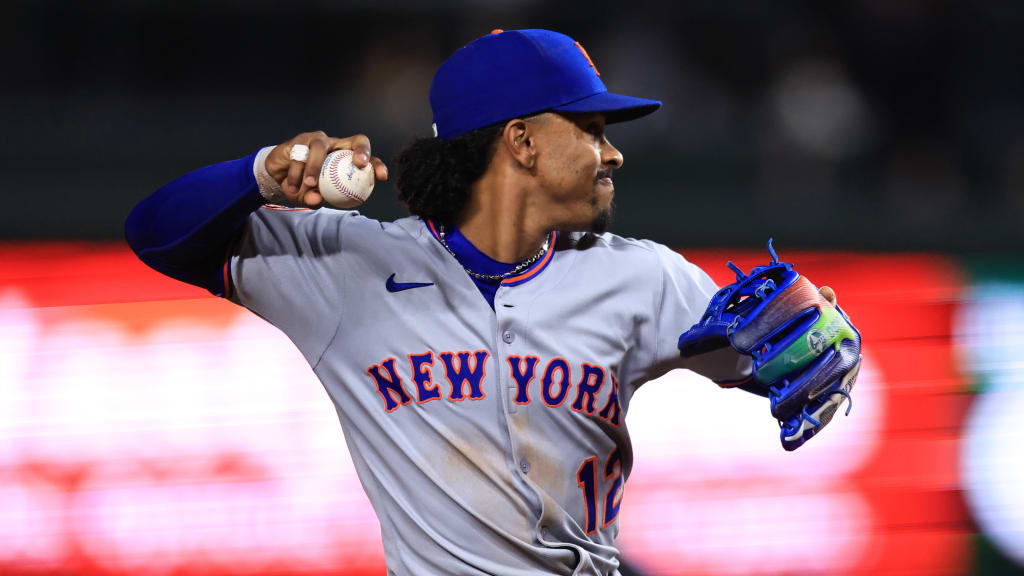
Even stars stumble. Discover how Francisco Lindor turns defensive miscues into masterclasses in leadership. See why he's the heart of the Mets.
The flash of the glove and the lightning-quick release are what we pay to see, but the true measure of Francisco Lindor is found in the dirt of the basepath after the ball has already skipped away. In the high-pressure vacuum of Citi Field, an error by the franchise cornerstone feels like a glitch in the matrix. When a player earning $341 million boots a routine grounder, the collective gasp of 40,000 people creates a specific kind of silence. Yet, it is in these precise moments of fallibility that Lindor has quietly rewritten the manual on modern clubhouse leadership. Most superstars hide behind their talent; Lindor uses his occasional lapses as a bridge to the rest of the roster.
To understand Lindor’s leadership, you have to look at the immediate aftermath of a miscue. In the old school of baseball hierarchy, a captain was often an untouchable figure, a stoic statue who demanded perfection. Lindor has flipped that script. When he makes a mistake, he doesn't kick the dirt or hide behind his sunglasses. Instead, he engages in what I call the visual accountability tour. Watch him after a tough inning where his defense let a pitcher down. He is the first person to the mound, not to offer a hollow cliché, but to shoulder the weight publicly. By being the most visible person to admit fault, he creates a psychological safety net for the rookies and the middle-relief arms who are terrified of failing. He proves that the sky doesn't fall when the ball hits the grass, provided you own the recovery.
This dynamic was never more evident than during the grueling stretches of the 2024 season. There were moments when the physical toll of playing nearly every inning of every game showed in his footwork. But Lindor’s brilliance lies in his refusal to use fatigue as an alibi. He treats an error as a data point rather than a character flaw. In the clubhouse after a win preserved despite his own defensive lapse, he doesn't deflect. He will break down his internal clock and his positioning to any teammate who will listen. This transparency transforms a negative play into a teaching moment. He is effectively telling every young infielder in that room that even a Platinum Glover is a work in progress. That humility is far more infectious than a highlight-reel play could ever be.
Beyond the mechanics, there is an emotional intelligence to Lindor’s reaction to failure that defines the current Mets era. For decades, this franchise was haunted by the optics of "Same Old Mets" whenever things went sideways. Lindor has systematically dismantled that culture by refusing to let an error turn into a collapse. He plays with a short memory but a long perspective. When he makes a mistake, his body language remains defiant and energized. It is a calculated signal to the dugout: if the captain isn't panicking, no one else is allowed to. He has mastered the art of being the team’s emotional thermostat, cooling things down when the pressure spikes and cranking up the intensity when the focus wavers.
Ultimately, we have to stop looking at Francisco Lindor’s errors as blemishes on a Hall of Fame resume and start seeing them as the fuel for his authority. A leader who never stumbles is a leader who is impossible to relate to. By wearing his mistakes on his sleeve—and then immediately making the game-winning play in the ninth—he demonstrates the most valuable trait in professional sports: resilience. He isn't the heart of the Mets because he is perfect; he is the heart of the Mets because he is the most graceful person in the building when things go wrong. In New York, we often value the grind more than the gift, and Lindor’s ability to turn a botched double play into a masterclass in accountability is the ultimate Gotham grit.