Mets News
Brewers in the World Series, Mets at Home: What Stearns' Old Blueprint Should Teach Queens

The Brewers are in their first World Series in 44 years with a blueprint Stearns helped build. What should the Mets copy, and what should they avoid this winter?
There is a strange kind of baseball pain in watching October from the couch, and this fall it comes with a twist. The Milwaukee Brewers are playing in the World Series for the first time in 44 years, and the front-office blueprint behind that club has David Stearns' fingerprints all over it. Stearns now runs baseball operations for the Mets. So the question every fan in Queens should be asking is simple: why is his old team thriving while his current one is sitting at home?
Start with the Milwaukee side of the ledger. The Brewers have taken the NL Central in five of the last six seasons and won at least 92 games in every one of them. That is not luck, and it is not a single hot roster. It is a machine that keeps finding stars cheaply. Christian Yelich arrived from Miami in 2018 for next to nothing. William Contreras came over in a three-team deal. Now Jacob Misiorowski looks like the likely NL Cy Young winner, and Jake Bauers, a 26-homer bat in the regular season, hit six more in October on his way to NLCS MVP.
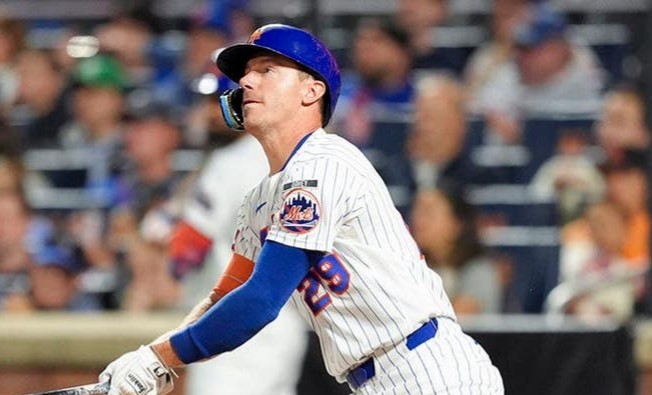
Now the Mets side. Stearns took this club to the NLCS in his first year, and then the team missed the postseason in the two years since. In August, Steve Cohen said he was sticking with Stearns, but also admitted the front office took too much risk heading into 2026. The winter gambles are easy to list: Brandon Nimmo went to Texas for Marcus Semien, Pete Alonso walked and signed in Baltimore, and Jorge Polanco got $40 million over two years. Semien, Polanco and Devin Williams all had rough or injured seasons. Even the manager changed, with Andy Green taking over from Carlos Mendoza in June.
Here is my fan take. The Brewers model works because it is patient and cheap at the margins, while the Mets are a rich team that tried to be clever. Those are two different games. When you have Cohen's resources, you do not need to hunt for the next Yelich at a bargain, you need to avoid expensive mistakes. The 2026 plan did the opposite, swapping known, productive players for older fits that did not pan out. Calling it too much risk was fair.
That said, I do not think the answer is to panic. There are real pieces here. Juan Soto and Francisco Lindor are the core, rookies Carson Benge and A.J. Ewing earned regular roles, and Nolan McLean and Christian Scott joined the rotation. After the August trade deadline the club went 10-4 over a stretch, which at least hinted the young group can play. The Brewers lesson is not to copy their payroll, it is to copy their habit of trusting young, controllable talent and building depth around it.
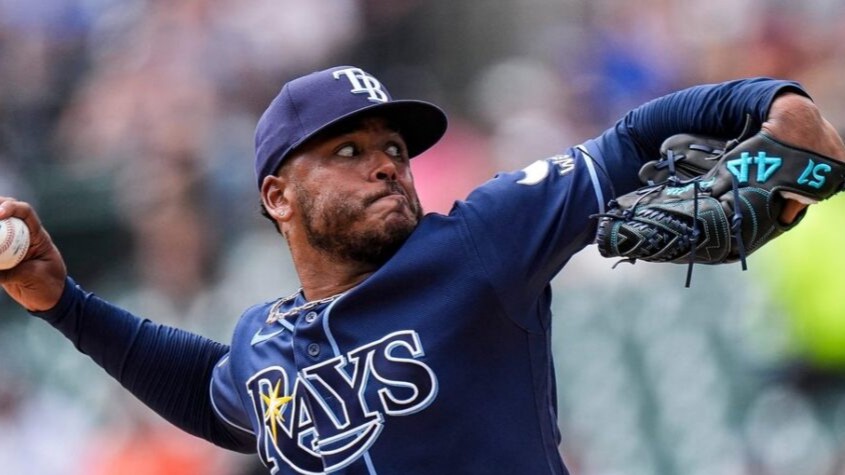
The other lesson is a bit more painful. Freddy Peralta, a former Brewer the Mets brought in last winter, is now an ALCS MVP pitching for Tampa Bay. Whatever the explanation for how that happened, it is the kind of outcome that stings when you are the team that held him and watched him leave.
What should we watch next? First, how Stearns fills out the coaching staff and the rest of the front office, since Cohen has talked about adding voices. Second, whether the Mets protect their young pitchers rather than flipping them. Third, whether this winter's moves are boring and smart rather than flashy. Boring and smart is exactly what Milwaukee does, and it is what is playing on the biggest stage right now.
I want Stearns to get another shot, because the track record says he can build a winner. But October is a loud reminder that the rest of us are all watching somebody else play. Let that sting turn into a better winter.