MetsXMFanZone News
Brett Baty at Shortstop? Why the Mets' Late-Season Experiment Could Shape 2027
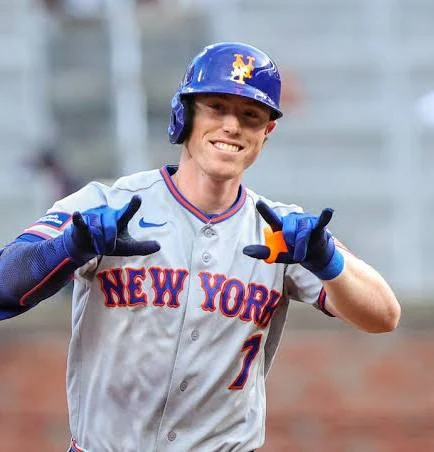
The Mets gave Brett Baty his first MLB start at shortstop in September. Here's why that quiet experiment could shape the 2027 roster and bench.
With the season winding down and the playoffs out of reach, the Mets did something that doesn't show up in a box score headline but might matter more than a lot of wins: they gave Brett Baty a start at shortstop. It happened on September 26 in Washington, a 7-1 win, and it was the first time Baty had ever opened a big-league game at the position.
Before you roll your eyes at a meaningless September game, think about why this was smart. Both clubs were out of contention, which is the perfect time to try something you would never risk in a pennant race. Nobody needed Baty to be a hero. They needed information.
Baty has been a roving piece all year, bouncing between first base, second base, third base and right field. Heading into that start, he had logged only a handful of innings at short, all late in games. That's a tiny sample, and it included a mistake. Now the Mets have a real look at how he moves, how he handles the throws, and whether the athleticism Andy Green talked about shows up when the ball is actually hit his way.
Green was clear that this serves a purpose in 2027, and that's the part that should get fans thinking. The idea is simple: if Baty can fill in at short, the Mets get flexibility they don't have right now.
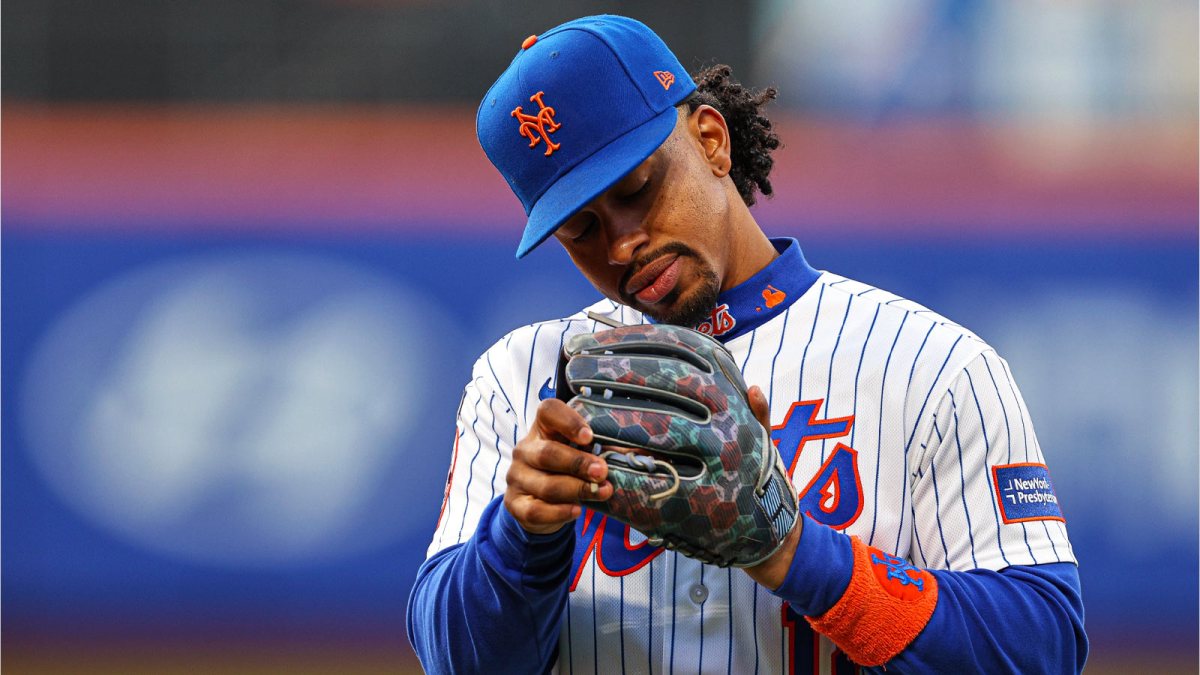
Think about the math of next year's infield. Francisco Lindor is expected to start most games at shortstop, but he is heading into his age-33 season after missing significant time with injuries in 2026. Even a healthy Lindor needs the occasional day off. Right now the club doesn't have an obvious answer for those days. Ronny Mauricio is considered a long shot to make the Opening Day roster, and Bo Bichette, who filled in at short this year, has an opt-out decision looming. If he opts out, the picture changes. If he stays, he's a third baseman, which pushes the question back toward the bench.
That's where a Baty who can play short in a pinch becomes valuable. A true backup shortstop is a roster spot that does one job. A utility player who can cover short, third, second, first and a corner outfield spot is a roster spot that does five. In a game where every bench slot matters, that's real currency, and it could let the front office spend its resources on pitching, which is where most of the offseason chatter is focused anyway.
There's also a development angle. Baty's bat has been the long-running question mark, and versatility is one way to carve out a lasting role even while the bat settles in. Players who can credibly handle the toughest position on the infield get more chances, more at-bats and more trust from a manager. Green has already shown he likes having options, and Baty's willingness to keep learning new spots works in his favor.
To be fair, this is not a guarantee. One start, with a tiny defensive sample behind it, doesn't make anyone a shortstop. The real test comes in the offseason, in spring training, and in the games where a runner is on second and the ball is hit hard in the hole. Shortstop isn't a position you fake your way through, and Mets fans have seen enough position experiments over the years to stay cautiously curious rather than fully sold.
Still, I like this kind of thinking. Too often a team waits until an injury forces its hand and then scrambles. The Mets used a quiet weekend in September to plan ahead, and that's exactly the habit a club needs after a disappointing year.
So here's what I'll be watching this winter: how the Bichette decision plays out, whether Baty gets more reps at short in spring, and whether the front office feels comfortable skipping a dedicated backup. If the answer to the last one is yes, this little September experiment will have quietly paid off.
What do you think, Mets fans? Can Baty handle short when Lindor needs a breather, or should the team look for a true backup? Let us know in the comments.